Learn how to compare wholesale handbags by material, hardware, stitching, dimensions, packaging and inspection evidence before committing to an order.
About this guide: Prepared for Lefuxan with AI assistance and checked against the cited public sources. It is a buyer checklist, not a report of a particular Lefuxan factory visit or shipment. Some editorial visuals are illustrative concepts, not product photos or proof of testing. Product availability, specifications, testing and commercial terms must be confirmed for each inquiry.
A handbag can look convincing in a front-facing product photograph and still disappoint after the first week of use. The handle may pull unevenly, a zipper may catch at the corner, or the interior may not fit the objects the buyer expected. For a wholesale buyer, the task is to convert a visual shortlist into a repeatable quality standard before committing to quantity.
This checklist is designed for retailers and importers comparing existing bag styles or discussing a modified version. It covers what to request, how to inspect a sample and what to confirm before shipment. The catalog photographs on this site are useful for identifying styles, not proof of a particular material grade, test result or stock position. Ask for written confirmation of each order-specific claim.
Start with the bag's intended job
Describe what the customer will carry and how the bag will be worn. A compact evening shoulder bag, an everyday tote and a structured work bag need different capacity, strap comfort, opening security and surface durability. Retail price alone is a poor substitute for a use case. It is also worth noting how the bag will be sold: in a store, product dimensions can be checked by hand, while an online customer needs clear dimensions, scale photographs and interior views.
Create a short acceptance brief: intended customer, use, target dimensions, preferred materials, acceptable weight, color range, hardware finish and packaging. List the non-negotiable points separately from preferences. If the bag must hold a particular laptop, tablet or water bottle, provide the object's dimensions. “Fits a laptop” is ambiguous when the available opening can be narrower than the interior.
An existing catalog style may have fixed construction and available colors, whereas a custom change can affect patterns, materials, sampling and minimum quantities. Ask which elements are standard and which require development. Do not price a modified bag as though it were the unmodified catalog sample.
Identify the material, not only the appearance
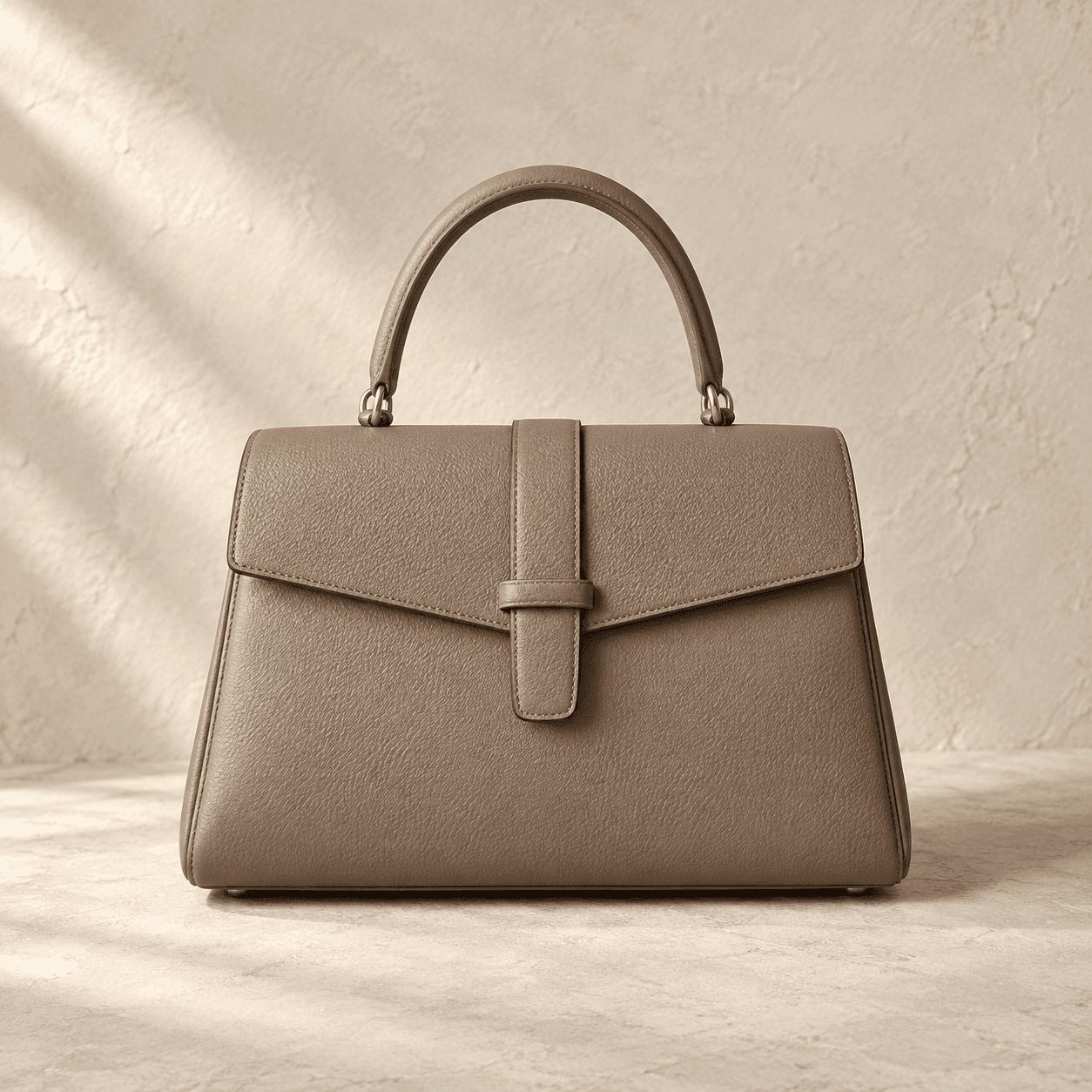
“Leather,” “vegan leather,” “PU” and “coated fabric” describe different material families, but each label still needs more detail. Ask for the stated composition of the outer shell, lining, reinforcement, edge finish and straps. Where leather is claimed, ask what type and finish the supplier specifies. Where a synthetic material is claimed, ask about the base fabric and coating. A photograph cannot establish these facts.
Assess samples for surface uniformity, color consistency and hand feel, but use those observations as part of a larger record. Check whether a crease recovers after normal handling, whether a pale surface picks up color transfer, and whether the lining snags on objects. These are practical screening observations, not a universal durability test. If the target market or buyer standard requires laboratory evidence, define the method and acceptance criteria with a qualified lab. Intertek's leather testing overview (listed under Sources and further reading) shows the range of services available; it is not a certificate for the bags shown here.
Be careful with sustainability terms. A material described as “recycled” should have a clear chain of evidence for the specific component and claim. “Eco-friendly” on its own is too broad to help a buyer or end customer. Ask for the documentation you would need to substantiate any claim you intend to publish. If it is unavailable, keep the product description factual and narrow.
Examine structure, shape and reinforcement
Set the bag on a flat surface, empty and then with a realistic load. Does it stand when the product page suggests it should? Does the base sag or twist? Check whether the body is symmetrical, whether the corners are finished evenly and whether panels meet cleanly. A structured shape may depend on reinforcement that cannot be seen in a front photograph. Ask the supplier which panels are reinforced and how the construction will be controlled in bulk.
Handles and straps deserve their own inspection. Measure their length and usable drop, including the range of adjustable settings. Wear the sample over the shoulder or across the body with a typical load. Look for sharp edge paint, hard seams, slipping adjustment hardware and awkward attachment angles. At each attachment point, inspect the stitching, rivet or other fastener and the reinforcement beneath it. A beautiful strap is not useful if the connection distorts the bag body after repeated wear.
Open every pocket and compartment. Measure the opening as well as the internal volume. Check whether the zipper end is supported, whether a magnetic closure aligns without forcing the flap and whether loose lining fabric catches in the zip track. These details are easy to miss when several samples are being compared quickly; recording them in a repeatable checklist makes a second review more objective.
Inspect stitching, edges and hardware separately
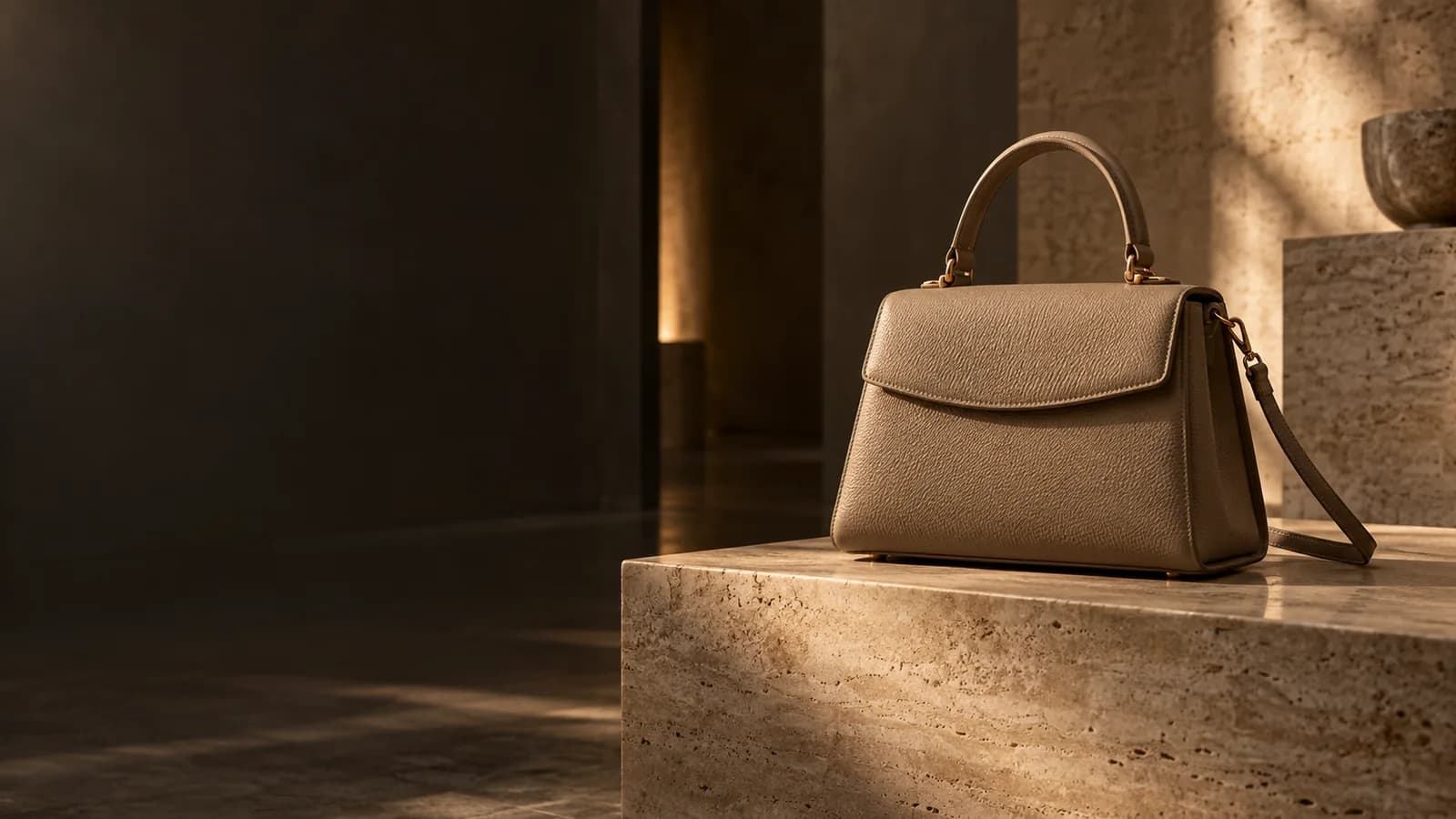
For stitching, examine line consistency, skipped stitches, loose thread ends and stress points. Look inside the bag as well as outside. At the handles, gussets and zip ends, construction matters more than a perfectly decorative line on a low-stress panel. Check whether a visible edge is folded, bound, painted or left raw, and whether the chosen finish is consistent around corners.
Hardware includes zippers, pulls, rings, clasps, feet, rivets and decorative components. Operate each closure repeatedly. Does it move smoothly without unusual force? Does the finish match across all parts of the same bag? Ask what color and finish are specified, because a similar-looking replacement may become visible when a shipment contains more than one batch. Hardware color should be recorded in the approved sample and production specification.
If the bag uses a removable strap, test both the attachment and the removal process. If it has a chain strap, check how the chain feels against clothing and how its length is measured. For a bag likely to carry substantial weight, discuss appropriate load or attachment testing with a lab rather than inventing a kilogram rating from a short hands-on trial.
Avoid a single “quality” score that hides the source of a problem. Record observations under separate headings: materials, dimensions, structure, stitching, hardware, function and packaging. A buyer might accept a tiny cosmetic imperfection but reject a closure problem. The order specification should make that distinction explicit.
Use measurements that another person can repeat
Define width, height, depth, handle drop and strap length with a diagram or a written measurement method. Specify whether width is measured at the base, opening or widest point. A soft bag can change shape when empty, so decide whether it is measured flat, filled or supported. Record the sample size and reasonable tolerance only after seeing the construction. Copying the same tolerance to every style may be unrealistic.
Capacity should be demonstrated rather than guessed. If your product page says the bag holds an A4 folder, show the folder entering and sitting inside without distorting the bag or leaving the closure open. If the claim is important to sales, include it in sample approval and final inspection. An unsupported capacity claim can generate returns even when the bag itself is well made.
Weigh the sample if shipping cost or shoulder comfort matters. Weight can vary with hardware and reinforcement, so check the final approved version. Where color matching is critical, approve a physical swatch or reference under suitable lighting and write down how variation will be assessed. Phone photographs taken under different light are useful for conversation but weak as the only acceptance reference.
Approve one clear sample and control changes
Assign a version to the approved sample. Record the style code, material descriptions, measured dimensions, hardware finish, lining, label placement and packaging. Photograph the exterior and interior, including problem areas you have corrected. If a new sample changes the handle drop or material, mark the previous one as superseded so it cannot silently return during production.
Agree on who may approve substitutions. Materials and hardware can become unavailable; a supplier should not assume that a visually similar component is equivalent in performance or price. Ask for a new sample or at least documented comparison before approval. Keep the change record with the purchase order.
When requesting quotes, send the same specification to each supplier. Compare unit price alongside sample cost, packaging, testing, labeling, lead time, payment terms and delivery basis. The ICC Incoterms checklist (listed under Sources and further reading) can help you express a delivery rule with a named place. It does not replace negotiation of product specifications or defect remedies.
The best wholesale bag brief is short enough to answer and detailed enough to inspect: style, material, dimensions, hardware, quantity, market and packaging.
Choose the styles you want to discuss in the bag collection, then send your requirements. Ask for current availability and a written component description before relying on a photographed finish.
Plan pre-shipment checks around actual risks
Before production, decide which defects are critical, major or minor for your use case. A broken handle attachment, unsafe edge or nonfunctioning zipper should not be treated like a small mark on an unseen interior panel. Define how defects will be photographed and counted, and what happens when an inspected lot does not meet the agreement.
A pre-shipment review can cover count, assortment, dimensions, material and color consistency, workmanship, functionality, labels and packaging. Verify that the inspected sample includes different colors and styles in the shipment. For formal sampling, agree on the method and acceptance rules in advance. ISO 28590 (listed under Sources and further reading) introduces the ISO 2859 family for attribute sampling; it does not provide an automatic guarantee about an uninspected unit. A qualified inspection provider can help select an appropriate plan.
Ask for a report that names the inspected lot, sampled quantity, defect categories and exceptions. Read photographs and notes, not only a pass/fail line. If repairs are made, document what changed and whether a reinspection is needed. A final carton count should match the packing list and the order specification.
Packaging is not just presentation. Stuffing, dust bags, wraps and cartons can affect whether a structured bag arrives with its shape intact or a delicate surface arrives unmarked. Test how the sample sits in its proposed packaging and consider the likely shipping and storage conditions. Specify if hangtags, labels or inserts are required for your market and have their content reviewed before printing.

Review the goods after arrival
When cartons arrive, compare counts and markings with the documents. Photograph obvious transit damage before the goods are mixed into sellable inventory. Open a sensible spread of cartons, styles and colors, then operate closures and inspect high-stress areas again. Keep records of any discrepancies, the approved sample and the inspection report together.
Customer feedback should feed the next order. A repeated complaint about strap length, opening width or lining color is more useful than a broad statement that the bag “didn't work.” Separate design-preference feedback from manufacturing defects. A style may be built consistently yet still be poorly suited to your customer's intended use.
A worked example: a bag that looks right but opens poorly
Imagine a hypothetical retailer comparing two medium shoulder bags for commuters. Both appear large enough in front photographs. On the first sample, the main opening measures less than the width of the customer's tablet case, even though the interior compartment is wider. On the second, the tablet fits but the strap drop is uncomfortable over a winter coat. Neither issue is a manufacturing defect; both are failures to match the intended use.
The buyer writes down the tablet-case dimensions, the minimum useful opening, preferred strap-drop range and whether the closure must work while the bag is worn. The supplier can then say which existing style comes closer and whether a change is possible. If a revision is proposed, the buyer asks for a new sample and an updated quote before treating it as an approved solution.
This is an illustration, not a claim that Lefuxan tested those bags. It shows why measurements, realistic loading and wear trials belong in the brief. A technically well-made bag may still be the wrong product for a particular customer. Conversely, a visually plain sample can be commercially stronger when its function is better matched to the use case.
Frequently asked questions
Can I identify genuine leather from a product photo?
No. Images can help you decide which styles to investigate, but they cannot verify composition. Request a written material specification and, where the claim matters commercially or legally, supporting documentation or testing for the relevant component.
What dimensions should appear in a wholesale bag specification?
At minimum, define body width, height and depth plus handle drop and usable strap length. State how each is measured. For soft or irregular shapes, a diagram or photographed measurement method is especially valuable.
What should be included in a handbag quality checklist?
Include materials, shape, dimensions, stress points, stitching, edges, hardware, closures, lining, labels and packaging. Add product-specific requirements such as laptop fit or removable-strap function. Distinguish cosmetic issues from failures that affect use or safety.
Is one approved sample enough for multiple colors?
A base sample can establish construction, but color-specific materials and hardware may differ. Approve color swatches or color samples where matching and finish matter, and identify which parts remain common across variants.
When should a buyer arrange inspection?
Decide the inspection plan before production, then schedule it when the goods are sufficiently complete for the agreed scope. Last-minute inspection cannot solve an undefined specification. If you need testing or mid-production checks, include them in the timetable and quotation.
The practical conclusion
Handbag quality is not a mood conveyed by a hero image. It is a set of observable, agreed details: material, geometry, workmanship, function and condition on arrival. A written brief and approved sample allow buyer and supplier to use the same standard, while a documented inspection helps identify problems before the goods enter inventory.
Browse Lefuxan's bag styles, record the designs you want to examine and ask for current wholesale details. We can discuss the order-specific material, availability and quote; the catalog alone does not certify any of them.
Sources and further reading
- Intertek: leather testing services
- ISO 28590: introduction to the ISO 2859 sampling series
- ICC: Incoterms 2020 checklist
Ready to compare actual styles?
Choose products from the collection and send your target market, quantities and requirements. We can then discuss current availability and quotation details.
Send your requirements ↗