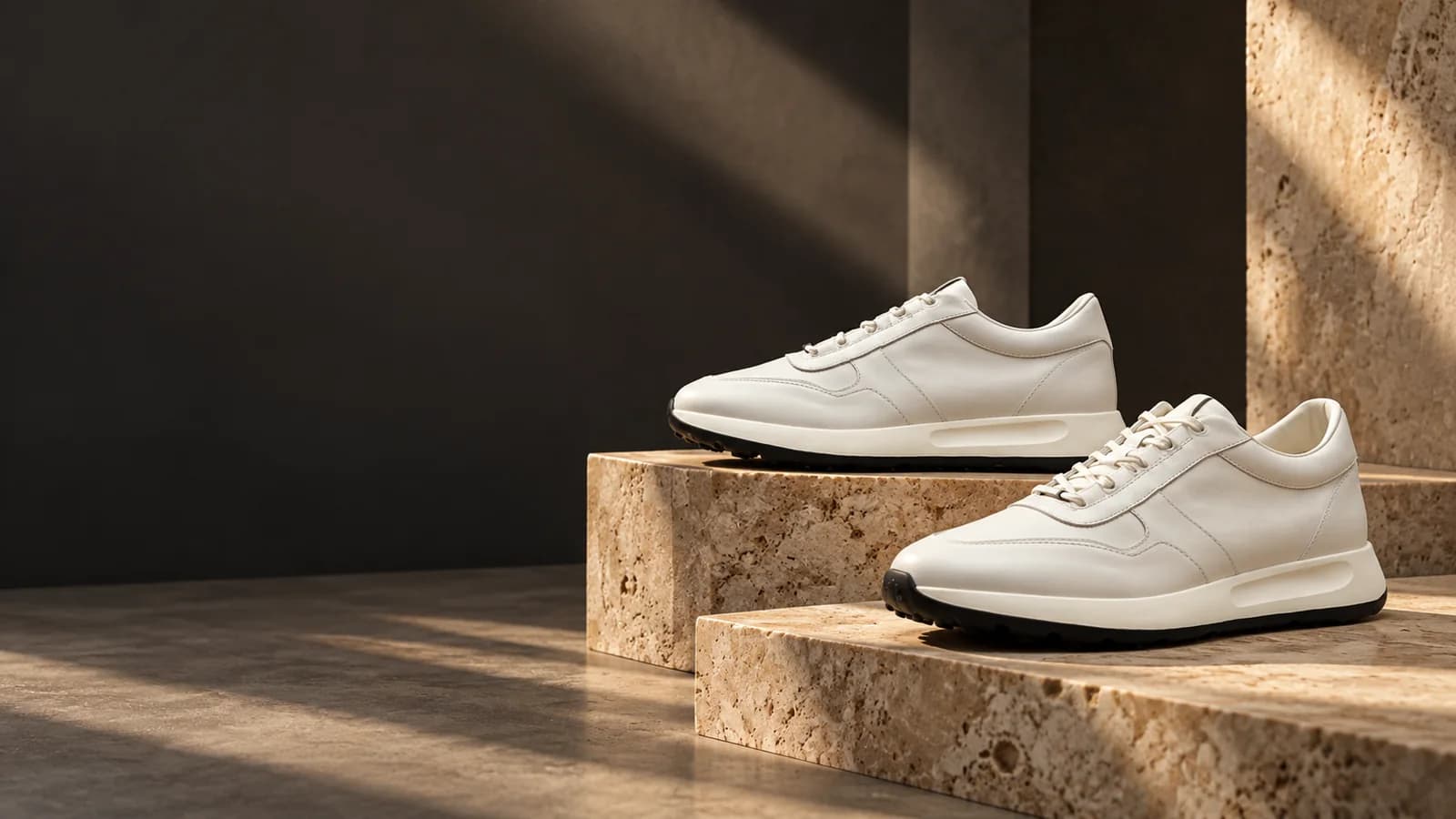
A practical wholesale footwear sourcing guide: compare samples, define specifications, plan inspection, and request quotes that can actually be compared.
About this guide: Prepared for Lefuxan with AI assistance and checked against the cited public sources. It is a buyer checklist, not a report of a particular Lefuxan factory visit or shipment. Some editorial visuals are illustrative concepts, not product photos or proof of testing. Product availability, specifications, testing and commercial terms must be confirmed for each inquiry.
Wholesale shoe sourcing begins with a deceptively simple question: what, exactly, are you buying? A photograph can show the silhouette and color, but it cannot settle sizing, material composition, construction, packaging, consistency or the terms of a repeat order. The most useful starting point is therefore not a large catalog request. It is a short, precise buying brief that allows several proposed styles to be compared on the same basis.
This guide is for boutique buyers, importers and private-label teams evaluating footwear for resale. It follows the sequence from range selection to sample approval and shipment review. It does not assume that a photographed style is in stock, that a pictured material is genuine leather, or that a supplier can offer a particular minimum order quantity. Those facts belong in the quotation and approved specification.
1. Define the intended market before requesting prices
Start with the customer and the sales channel. A comfortable walking shoe for a travel-focused store faces different expectations from a fashion sneaker bought mainly for its profile. Climate, typical use, size distribution, retail price band and returns policy all affect the buying decision. A style that photographs beautifully may still be a poor fit if the upper marks easily, the outsole lacks the grip your market expects, or the size curve does not match your customers.
Write down the intended country of sale, target customer, expected season and initial order scale. State whether you need an existing style, a revised colorway or a custom development. The latter two can change sampling time, tooling, labeling and minimum quantities. Ask for current options rather than assuming that a catalog photograph represents every possible specification.
For a small test, decide whether breadth or depth is more valuable. Six styles with a shallow size run provide a different learning opportunity from two styles stocked across the full expected size curve. Retailers sometimes spread a limited budget across too many silhouettes and then cannot tell which size or color truly sold. Your first order should be designed to answer a commercial question, not merely fill a shelf.
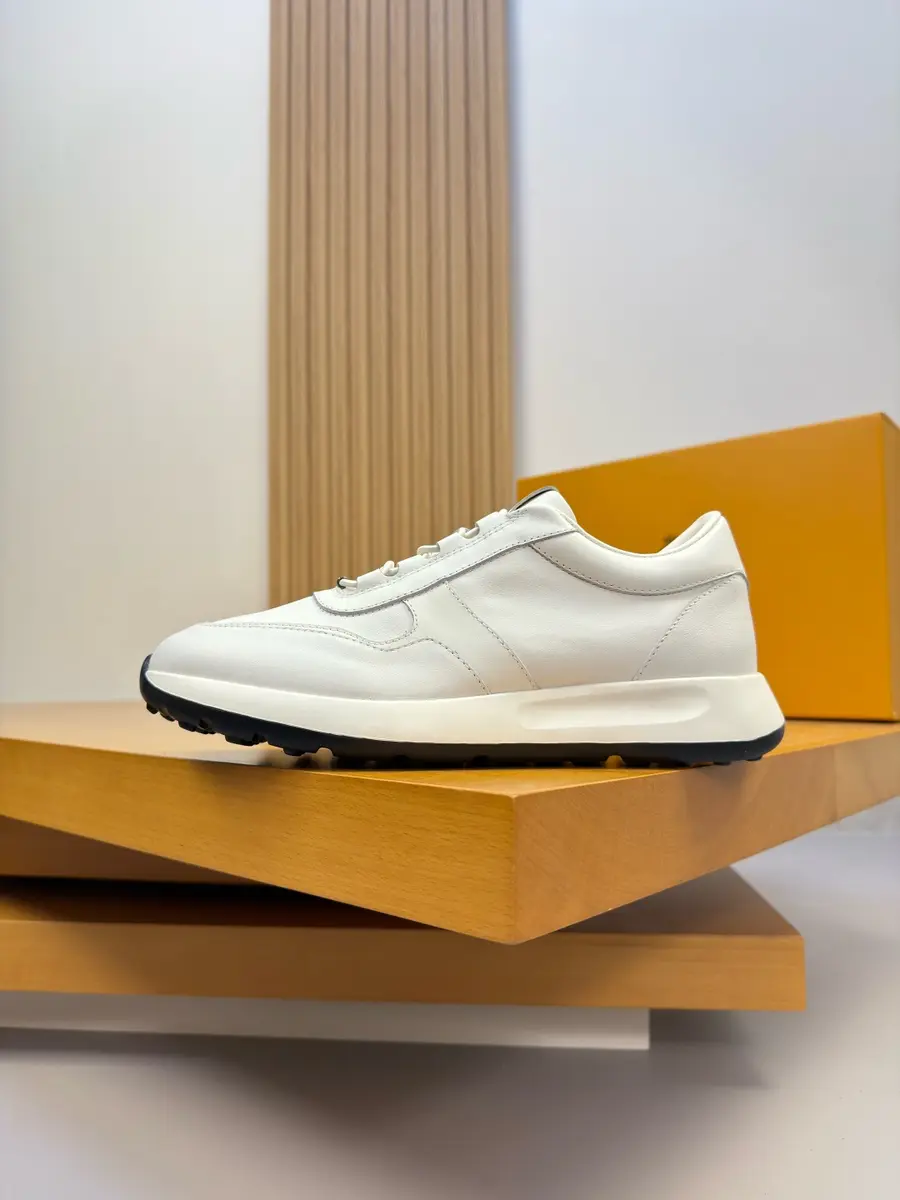
2. Turn the photo into a written product specification
The written specification is the reference against which the approved sample and later goods can be compared. It should identify the style, color, upper and lining materials, insole, outsole, construction, closure, size range, labeling and packaging. If a material name is uncertain, ask the supplier to describe the actual composition. Words such as “leather look,” “premium” or “soft” are not technical specifications.
Footwear is a system of joined parts. For example, two white low-top shoes may look similar in a thumbnail while differing in lining, collar padding, outsole compound and heel construction. Those differences influence feel, wear, cleaning and cost. A buyer can ask for a component breakdown, close photographs and a physical sample before comparing offers.
Useful questions include:
- What is the stated composition of the upper, lining, sock liner and outsole?
- Is the sole stitched, bonded, molded, or constructed using a combination of methods?
- Which dimensions and tolerances will be confirmed on the approved size sample?
- Are the shown colors available now, or do they require a new production run?
- What labeling, carton marking and packaging are included in the price?
- Which details may vary between the sample and bulk production, and who approves that change?
Do not treat a photograph as evidence of material composition. Ask for a specification sheet or supplier declaration and, where the destination market or buyer policy requires it, an appropriate third-party test report for the relevant material and style. Testing plans should be chosen for the product and market, not copied blindly from another category.
3. Compare samples in conditions that resemble real use
A good sample review combines appearance, fit, function and consistency. Put the shoes on a clean, level surface and compare the pair side by side. Check toe shape, heel height, stitching symmetry, alignment and visible glue marks. Look closely at the inside: rough seams, loose threads, uncomfortable edges and inconsistent padding can matter more to the eventual wearer than a minor difference in the outer profile.
Then assess fit on more than one foot or with a documented fit model. Record the wearer's usual size, measured foot length if available, socks, time worn and feedback. “True to size” is not a universal measurement. A supplier's EU, US or UK label may not match your customers' expectations, so ask for a size chart based on the specific last and sample. If you sell online, measure footbed or insole length and define how that measurement is taken. A clear chart can reduce avoidable fit disputes.
Simple hands-on checks can flag questions before laboratory testing: flex the shoe at the forefoot, examine how the upper creases, feel the lining at pressure points, and test closures repeatedly. These observations are screening notes, not a substitute for standardized slip, bond-strength, abrasion or chemical testing. A laboratory can advise which methods are appropriate for your product and destination market. Intertek's footwear overview (listed under Sources and further reading) illustrates the range of footwear and leather-goods testing services; it does not establish that any Lefuxan catalog style has passed a test.
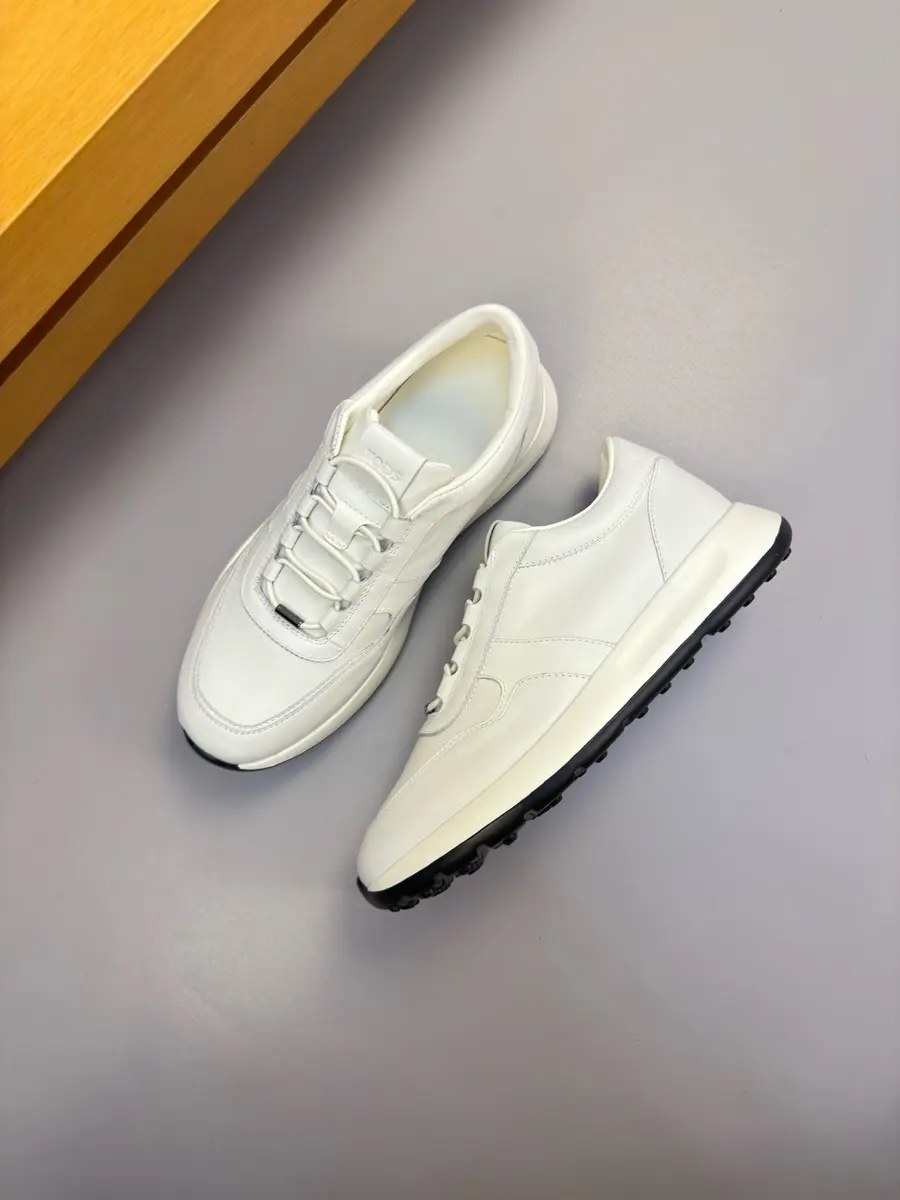
4. Approve a reference sample, not just an email description
Once a style is shortlisted, agree on an approval sample and record its identity. The record can include the style code, size, color, sample date, photographs, measured dimensions, material descriptions and a list of approved deviations. If a supplier revises the sample, give the new version a clear reference. “Same as before” is hard to interpret when several versions have circulated.
A reference sample helps resolve a common sourcing problem: both sides believe they agreed, but each remembers a different finish or detail. Keep a copy of the relevant correspondence and mark the approved changes. If a color, sole, label or carton changes later, obtain fresh written approval before treating the new version as equivalent.
Ask who will hold the approval sample during production and what the final inspector will use for comparison. If the supplier and buyer retain separate samples, check that they match. The sample is a control tool only if the bulk order and inspection instructions refer to it.
5. Request a quote that can be compared fairly
An attractive unit price can be misleading if the quotes cover different assumptions. Send the same brief to each prospective supplier and request the same breakdown. At a minimum, specify style and color, size curve, quantity by size, packaging, destination, requested delivery window and any testing or labeling needs. Ask the supplier to state what the price includes and what is excluded.
Clarify the currency, quotation validity, payment schedule, sample charges, production lead time, and whether freight, duties or insurance are included. Use the full named Incoterms rule and named place, not a vague “FOB price” or “delivered price.” The International Chamber of Commerce's Incoterms checklist (listed under Sources and further reading) is a useful reference for choosing and recording the rule. Incoterms allocate certain delivery obligations and risks; they do not replace a full sales contract or determine product quality.
If two prices differ, compare their component specifications and conditions before negotiating. A lower price may reflect a different lining, outsole, carton, inspection scope, payment term or transport responsibility. A supplier who asks clarifying questions can be easier to work with than one who produces a quick number against an incomplete brief.
A useful first inquiry names the style, market, target quantity and specification questions. It does not need to pretend that every technical detail has already been decided.
Review the current shoe collection, note the styles that interest you and send one consolidated inquiry with your target market and estimated quantities. Availability and terms can then be confirmed against your actual brief.
6. Separate sample approval from production approval
Approving a sample does not answer every production question. Before a purchase order, confirm the production specification, size assortment, artwork, labeling, packaging, tolerance policy, testing requirements and change-control process. Agree on the latest date at which a material or color decision can be changed without affecting delivery. Put responsibilities in writing: who orders materials, who approves substitutes and who bears the cost if a required test fails.
For a mixed size run, the size curve deserves a separate check. Calculate quantities by size, not only total pairs. Verify that each carton mark and packing list will distinguish size and color accurately. If your market requires a particular country-of-origin label or product marking, obtain advice for that market before production; a generic label from another buyer may not be suitable.
Lead time should be expressed from a defined event, such as approval of final sample and receipt of deposit, rather than from the first conversation. Ask whether the quoted timeline includes raw-material procurement, production, testing, rework and export preparation. Dates often shift because the buyer and supplier count from different milestones.
7. Plan inspection before goods are packed
Inspection should be tied to known criteria. A practical checklist covers style identity, pair matching, size and color labels, dimensions, visible workmanship, material and trim consistency, packaging, carton counts and shipping marks. Photograph defects and record which style, size and carton they came from. If a shipment includes several styles, make sure the sample examined reflects that mix.
Sampling plans can be formal, but no sampling method guarantees that every unit is defect-free. The ISO 28590 introduction (listed under Sources and further reading) explains the ISO 2859 family for sampling inspection by attributes. A buyer who wants to use an AQL-based plan should agree on the specific standard, inspection level, defect classes, lot definition and acceptance rules with a qualified inspection provider. Do not claim a particular AQL result without the actual report.
Critical defects should be defined for the product. For example, an unsafe protruding component or a serious labeling error may need different treatment from a small cosmetic mark on a hidden area. Decide before inspection what requires rework, replacement, concession or rejection. A written defect library with photographs can prevent subjective arguments late in the order.
If you commission a pre-shipment inspection, request the report, photos, sampled quantities and carton identification. Read the exceptions, not only the pass/fail summary. Ask whether any goods were reworked after inspection and whether a recheck is necessary. The final packing list and invoice should reconcile with the inspected goods.
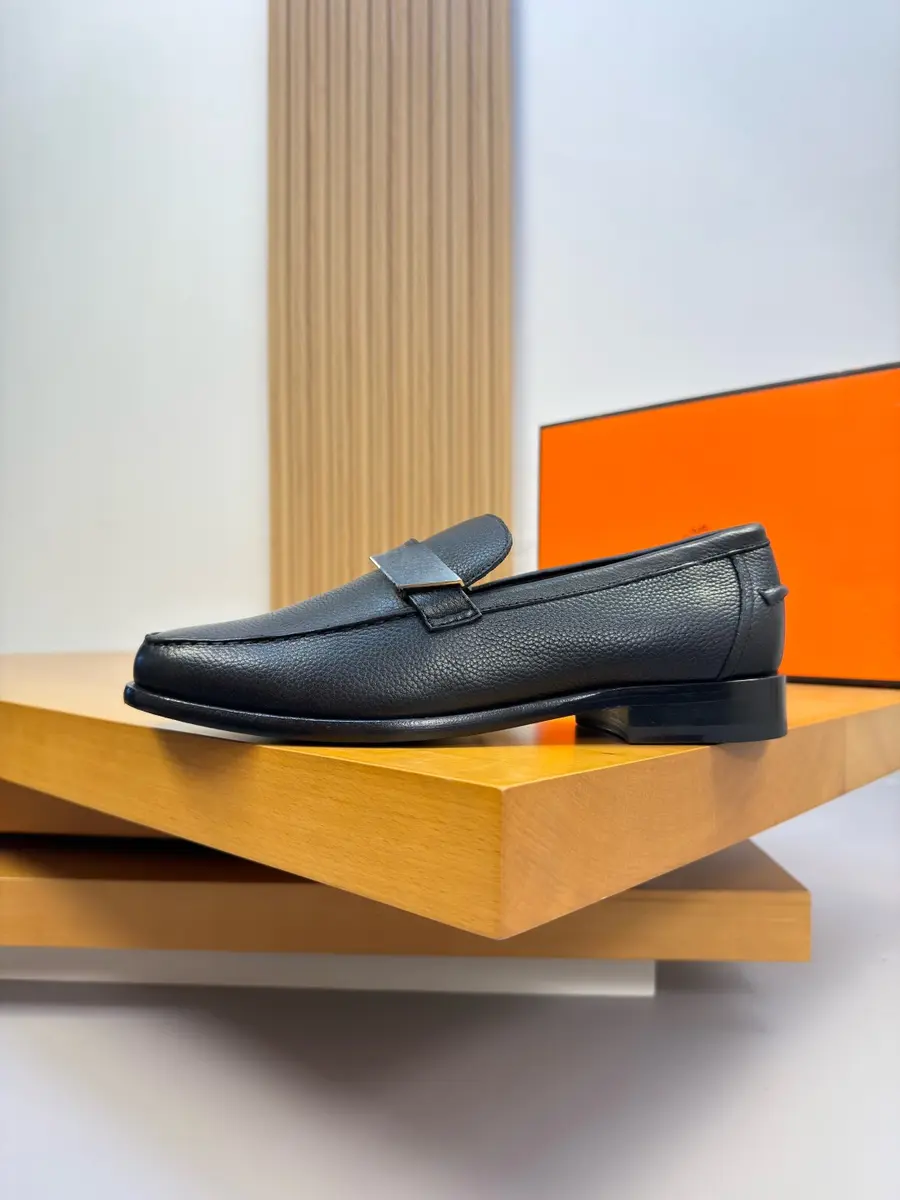
8. Prepare shipment documents and receiving checks
Before dispatch, agree on the commercial invoice, packing list, carton markings and any documents required by the destination market. The exact requirements vary by product, route and country. Ask your customs broker or qualified adviser to confirm them; an online checklist cannot replace current local rules.
At receipt, compare delivered carton counts with shipping documents before opening the full lot. Inspect a sensible cross-section of sizes and colors, photograph any transit damage and record discrepancies promptly. Keep the approved sample, purchase order, inspection report and receiving notes together. That record makes a future reorder more accurate and provides a basis for discussing defects without relying on memory.
Use first-order sales and return reasons to improve the next brief. If a style sells but generates fit questions, update the size chart before simply reordering the same quantities. If customers praise the shape but dislike the insole feel, document the change request separately from visual approval. The point of a test order is to learn which details merit a repeat order.
A worked example: comparing two similar white shoes
Consider a hypothetical retailer choosing between two unbranded white low-tops for an online store. Both have a similar profile in photographs. The first sample feels lighter but has a narrow entry and a hard collar edge. The second feels more comfortable to three fit reviewers, yet its outsole compound and material description are still unclear. A price comparison alone cannot settle this choice.
The buyer records each sample's exact style code, measured insole length, weight, fit notes, component description and proposed carton. The supplier is asked for the missing outsole information and for confirmation that the bulk version will match the approved sample. The buyer then estimates the likely return risk in the intended size curve and compares landed cost under the same delivery rule. If neither sample meets the brief, the right answer may be to postpone the style rather than place a rushed order.
This example is a decision method, not a Lefuxan test result. It illustrates why the winning product is not always the lowest-priced or most photogenic one. The documented questions can be reused with different styles without pretending that their answers will be identical.
Frequently asked questions
What should I send in my first wholesale shoe inquiry?
Send the style identifiers or reference images, destination market, target customer, estimated pairs, preferred sizes and colors, and any known material, labeling or packaging requirements. State which details are still undecided. That gives the supplier enough context to respond usefully without inventing requirements on your behalf.
Is a product photograph enough to approve a bulk order?
No. Photographs are useful for shortlisting and visual questions. A physical or appropriately documented approval sample, written specification and agreed inspection criteria are much stronger controls for fit, construction and consistency.
Should I ask for an AQL inspection?
Ask whether a formal sampling inspection suits the order's risk and size, then agree on the exact plan with the inspection provider. “AQL inspection” alone does not specify lot definition, inspection level, defect classes or acceptance criteria. It also cannot prove that every pair is flawless.
Can one shoe size chart cover every style?
Not reliably. Different lasts, toe shapes and constructions can fit differently even with the same labeled size. Use measurements and fitting notes for the specific style, and explain how customers should use the chart.
What if the bulk goods differ from the approved sample?
Document the differences with photographs, quantities and the relevant purchase-order requirement. Quarantine affected stock where appropriate, then discuss rework, replacement or another remedy under the agreed contract. A dated approval sample and written specification make this conversation much clearer.
The practical conclusion
Good footwear buying is an evidence trail: market brief, style shortlist, component specification, approved sample, comparable quote, production confirmation, inspection plan and receiving review. None of these steps has to be elaborate for a small test order, but each should be clear enough that another person could understand what was agreed.
If you are choosing an initial range, begin with the Lefuxan shoe catalog. Select the styles you want to discuss and send your requirements. We can confirm current product information and quotation details for that inquiry; this guide does not imply that every photographed style is available on fixed terms.
Sources and further reading
- ISO 28590: introduction to the ISO 2859 sampling series
- ICC: Incoterms 2020 checklist
- Intertek: footwear and leather-goods testing overview
Ready to compare actual styles?
Choose products from the collection and send your target market, quantities and requirements. We can then discuss current availability and quotation details.
Send your requirements ↗